
A small chip from a rock on 101 turns into a foot-long crack by the time you pull into your driveway in Santa Clara, and now you’re dealing with a windshield that won’t pass a smog inspection or a CHP glance. Between the temperature swings rolling off the bay in the morning and the dry heat that settles over Santa Clara County by mid-afternoon, glass damage spreads faster here than people expect, and most drivers don’t realize a quarter-sized chip can be sealed in under 30 minutes if you catch it early. We’ve worked on everything from daily commuter Camrys parked along El Camino Real to fleet vans operating out of the industrial corridor near the airport, and the story is almost always the same: drivers wait too long, a fixable chip becomes a full replacement, and what should’ve been a $90 job turns into $400-plus with calibration. This page covers what you actually need to know about getting auto glass handled in Santa Clara, including what insurance actually pays for in California, when a repair is the right call versus a replacement, and what to expect when ADAS-equipped vehicles need recalibration after the work is done.
If you’ve ever stared at a chip in your windshield wondering whether you need to drop real money on a replacement or if a quick fix will do, you’re not alone. It’s one of the most common questions we hear from Menlo Park drivers, and the answer usually comes down to a few specific factors. After three decades of fixing glass on cars all over town, from Sharon Heights driveways to office lots along Sand Hill Road, we’ve seen pretty much every kind of damage there is.
Most people are surprised by how much can actually be repaired if they catch it in time. This guide walks you through exactly when a repair makes sense, when you genuinely need new glass, and how the local roads around here factor into the whole thing.
When Can a Windshield Be Repaired Instead of Replaced?
Windshields can usually be repaired when chips are smaller than 1 inch, cracks are under 6 inches long, and the damage is outside the driver’s direct line of sight. Anything larger, deeper, or sitting right where you need to see typically means a full replacement.
The reason size matters so much is structural. Small chips and short cracks can be filled with resin that bonds the glass back together and stops the damage from spreading. Once a crack runs long or branches out, the glass loses integrity and resin won’t restore it. Location is the other big one. Even a small chip directly in your sightline can leave a permanent distortion after repair, which is why we lean toward replacement in those cases. If you’re unsure which camp your damage falls into, our auto glass repair team in Menlo Park can tell you over the phone in about two minutes.
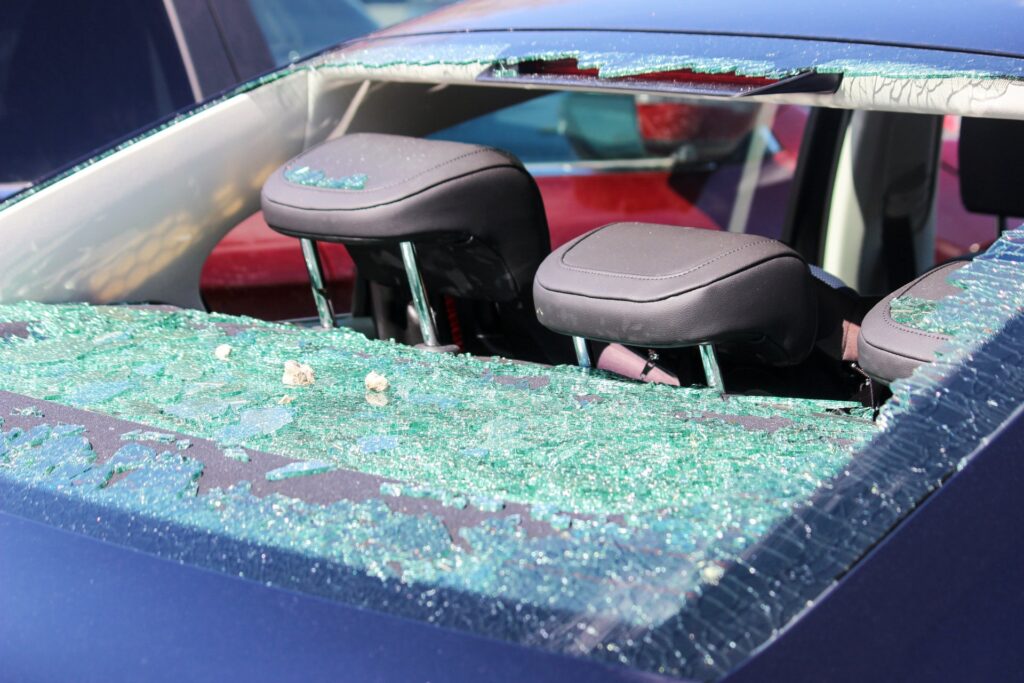
How Big Does a Crack Have to Be Before You Need a New Windshield?
Generally, a crack longer than about six inches, or roughly the size of a dollar bill, pushes you into replacement territory. Multiple cracks or a chip with spider-webbing also tip the scale toward new glass.
The tricky part is that cracks don’t stay put. A two-inch crack today can become a foot-long crack overnight, especially with temperature swings or a single hard bump. We’ve watched repairable chips turn into full replacements just because someone waited a week. The deeper the damage goes into the glass layers, the less likely a repair will hold. If the inner layer of laminated glass is compromised, replacement isn’t optional, it’s a safety requirement.
How Local Roads and Weather Around Menlo Park Affect Your Glass
Highway 101 between Menlo Park and San Francisco is one of the biggest culprits for rock chips, thanks to constant traffic and debris kicked up at speed. Construction zones near the larger tech campuses add another layer of risk.
We see patterns after thirty years working these roads. Drivers commuting up 101 deal with far more chips than people sticking to surface streets. Parking near active construction around Belle Haven or the bigger corporate campuses also leads to a steady stream of damage from loose gravel and debris. Then there’s the temperature factor, cool Bay Area mornings followed by a hot afternoon make glass expand and contract, which is exactly when a small chip decides to run. Knowing where the risk is highest helps you catch damage before it spreads.
How to Keep Small Chips From Becoming Big Problems
The single best thing you can do is deal with a chip within a few days of noticing it. Cover it with clear tape to keep dirt and moisture out, avoid car washes, and skip blasting the defroster directly on it.
Prevention is mostly about buying yourself time until the repair happens. Dirt and water work their way into a chip and make a clean resin bond harder to achieve, so keeping it sealed matters. Sudden temperature changes are the enemy, easing into your AC or heat instead of cranking it helps. Parking in shade during hot stretches reduces stress on the glass too. None of this replaces an actual fix, but it can be the difference between a simple repair and a full replacement. Many newer vehicles use windshield-mounted safety systems like lane departure warnings, rain sensors, and forward collision alerts. When a windshield is replaced, those systems often need recalibration to work correctly. That’s one reason modern windshield replacement is more technical than it used to be.
Does Insurance Usually Cover a Repair?
In most cases, comprehensive auto insurance covers windshield repair fully, often with no deductible, because insurers would rather pay for a cheap repair than an expensive replacement later.
This is the part a lot of people don’t realize. Carriers actively prefer repairs because the cost difference is significant, so they frequently waive the deductible to encourage you to act early. Replacements are usually covered too, though a deductible may apply depending on your policy. We handle the insurance side directly so you’re not stuck on hold filing a claim. The takeaway: cost is rarely a good reason to put off a repair, since waiting often turns a free fix into a deductible-eligible replacement.
Frequently Asked Questions
Is it safe to drive with a chipped windshield?
A small chip away from your sightline is fine short-term, but chips spread fast with Bay Area temperature swings, so fix it quickly.
How long does a windshield repair take?
Most repairs take 20 to 30 minutes. We come to your home or office anywhere in Menlo Park and finish the same visit.
Will a repaired chip be completely invisible?
A repaired chip is much less visible but rarely fully invisible. The resin restores strength and stops the spread, which is the main goal.
What happens if I wait too long to fix a chip?
Waiting usually turns a cheap repair into a full replacement. Moisture, road vibration, and temperature changes spread the crack until repair is no longer possible.
Do I need to go to a shop, or can the work be done at my location?
You don’t need to visit a shop. Both repairs and replacements happen wherever you’re parked in Menlo Park, so you never have to rearrange your day around a shop visit.
Not Sure Which One You Need?
The honest answer is that you usually don’t have to figure this out alone. A quick description of the damage over the phone is often enough for us to tell you whether you’re looking at a simple repair or a replacement, and roughly what it’ll cost, before anyone comes out. If you’ve got a chip or crack you’ve been putting off, the smart move is sorting it now while it’s still small. Reach out to AJ’s Mobile Auto Glass Specialist and we’ll give you a straight answer, no upselling, same as we’ve done for Menlo Park drivers for thirty years.